

5 Tips for Hydrated Skin with Hyaluronic Acid and Moisturizers
.png/v1/fill/w_320,h_320/file.jpg)
Dry skin can make even the best routine feel like it is not working. One week your skin feels smooth and calm, then cold air, indoor heat, hot showers, or one too many exfoliating products leave it tight, flaky, and dull.
The good news is that hydrated skin does not require a complicated shelf of products. It usually comes down to three things: attracting water, holding it in, and protecting the skin barrier so water does not escape too quickly.
Hyaluronic acid and moisturizers can both help, but they work best when you use them the right way. This guide covers five practical tips for keeping skin hydrated, choosing better products, and preventing that dry, tight feeling from coming back.
This article is for general skin care education only. If you have painful dryness, cracks, bleeding, eczema, psoriasis, or irritation that does not improve, check with a board-certified dermatologist.

1. Apply hyaluronic acid to damp skin
Hyaluronic acid is one of the most popular hydration ingredients for a reason. It is a humectant, which means it helps draw water to the surface layers of the skin. Many people like it because it feels lightweight, layers well, and works for a wide range of skin types.
The key is how you apply it.
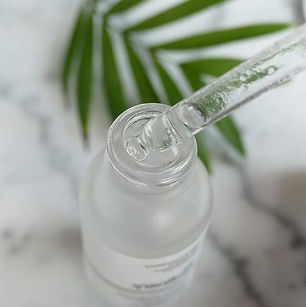
Hyaluronic acid works best when your skin is slightly damp. After cleansing, pat your face so it is not dripping wet, then apply a few drops of serum. Follow with moisturizer before your skin fully dries.
That order matters because hyaluronic acid attracts water, but moisturizer helps keep that water from evaporating. If you apply hyaluronic acid to very dry skin and skip moisturizer, your face may still feel tight later, especially in dry weather.
A simple morning or evening order looks like this:
Cleanse gently or rinse with lukewarm water.
Leave skin slightly damp.
Apply hyaluronic acid serum.
Add moisturizer.
Use sunscreen in the morning.
You do not need a thick layer. A pea-sized amount or a few drops is usually enough for the face, depending on the product. More serum does not always mean more hydration. Too much can leave skin sticky or cause pilling under moisturizer and sunscreen.
Look for ingredient lists that include hyaluronic acid, sodium hyaluronate, or hydrolyzed hyaluronic acid. These are common forms used in skin care products. Many formulas also combine hyaluronic acid with glycerin or panthenol, which can make the product feel more comfortable.
If your skin stings every time you apply a serum, stop using it for a few days. The issue may not be the hyaluronic acid itself. Fragrance, exfoliating acids, alcohol-heavy formulas, or a damaged skin barrier can all make products feel irritating.

2. Choose a moisturizer that matches your skin type
A good moisturizer does more than make skin feel soft for a few minutes. It helps reduce water loss and supports the skin barrier, which is the outer layer that keeps moisture in and irritants out.
Most moisturizers use a mix of three ingredient types:
Ingredient type | What it does | Common examples |
Humectants | Pull water into the skin’s surface layers | Hyaluronic acid, glycerin, aloe, panthenol |
Emollients | Smooth and soften rough skin | Squalane, fatty acids, shea butter, plant oils |
Occlusives | Help seal moisture in | Petrolatum, dimethicone, mineral oil, beeswax |
The best formula depends on your skin type and the season.
For oily or acne-prone skin, a gel-cream or lightweight lotion may feel better than a rich cream. Look for labels such as non-comedogenic, fragrance-free, or oil-free if heavy products tend to clog your pores. Ingredients like glycerin, hyaluronic acid, niacinamide, and lightweight silicones can hydrate without a greasy finish.
For dry skin, a cream usually works better than a thin lotion. Look for barrier-supporting ingredients such as ceramides, cholesterol, fatty acids, shea butter, squalane, or dimethicone. These ingredients help skin feel more comfortable and less rough.
For sensitive skin, keep the formula simple. Fragrance-free moisturizers are often a safer choice than heavily scented creams. Essential oils can also irritate some people, even when they are marketed as natural.
For combination skin, use different textures in different areas. A light lotion may work on the T-zone, while a richer cream can help cheeks, jawline, or flaky patches.
Texture is personal, but the best moisturizer is the one you will use every day. If a product feels too heavy, burns, pills, or leaves you shiny in a way you dislike, it probably will not last in your routine.
A helpful test is to notice how your skin feels 30 minutes after applying it. Hydrated skin should feel comfortable, not tight, slick, or itchy.
3. Seal in moisture before bed
Nighttime is a good time to focus on repair. You are not layering makeup or reapplying sunscreen, so your evening routine can be a little richer and more protective.
If your skin gets dry overnight, try this simple method:
Cleanse with a gentle, non-stripping cleanser.
Apply hyaluronic acid or another hydrating serum to damp skin.
Use a cream moisturizer.
Add a thin layer of an occlusive cream or balm on very dry areas.
This last step is sometimes called sealing or slugging. It usually involves applying a very thin layer of petrolatum-based ointment or balm over moisturizer. It can help reduce water loss on dry patches, lips, around the nose, or rough areas of the body.
You do not need to coat your entire face. A small amount goes a long way.
Sealing can be especially useful in winter, during travel, or after a period of over-cleansing. It may not be the best fit for everyone, especially if you are very acne-prone or using strong prescription treatments. If you break out easily, try it only on dry spots first.
For the body, use the same idea after bathing. Apply body lotion or cream while skin is still slightly damp. Areas like elbows, knees, shins, hands, and feet usually need more help because they dry out faster.
Keep a hand cream near the sink if frequent handwashing leaves your hands rough. A richer cream at night can make a noticeable difference, especially if you wash dishes, use hand sanitizer often, or live in a dry climate.

4. Stop habits that quietly dry out your skin
Sometimes the products are fine, but daily habits keep stripping moisture away. Dryness often builds slowly, then shows up as flaking, redness, tightness, or a rough texture that makeup clings to.
Start with water temperature. Hot showers feel relaxing, but they can remove natural oils from the skin. Lukewarm water is kinder, especially for the face and body in colder months.
Long showers can also make dryness worse. You do not have to rush, but if your skin feels tight right after bathing, that is a sign to shorten the shower and moisturize sooner.
Cleansers matter too. A cleanser should leave skin feeling clean but not squeaky. That tight, squeaky feeling often means the formula is too harsh or you are cleansing too often.
Common drying habits include:
Washing the face with hot water
Using bar soap meant for the body on the face
Scrubbing with rough washcloths or cleansing brushes
Exfoliating too many times per week
Layering several active ingredients at once
Skipping moisturizer after cleansing
Using fragranced products on already irritated skin
Exfoliation is a big one. Chemical exfoliants like glycolic acid, lactic acid, and salicylic acid can be useful, but too much can weaken the skin barrier. Retinoids can also cause dryness when introduced too quickly.
If your skin feels raw, shiny, stinging, or unusually tight, pause exfoliants and strong actives for several days. Go back to a basic routine: gentle cleanser, hydrating serum if tolerated, moisturizer, and sunscreen in the morning.
Think of hydration as a balance. Active ingredients can smooth texture and help with concerns like breakouts or uneven tone, but your barrier needs enough support to handle them.
A strong skin barrier is the difference between products that work comfortably and products that sting on contact.
Sunscreen also plays a role. Sun exposure can make skin feel dry and rough over time. A broad-spectrum SPF in the morning helps protect the skin barrier and keeps your routine working in your favor.
5. Adjust your routine to your environment
Skin hydration changes with the weather, indoor air, travel, and lifestyle. The same routine that works in July may not be enough in January.
Cold outdoor air and heated indoor air can both lower moisture in the skin. If your home feels dry, a humidifier in the bedroom can help, especially overnight. Aim to keep it clean according to the manufacturer’s directions so it does not collect mold or mineral buildup.
Air travel can also dry out skin because airplane cabins have low humidity. Before a flight, apply moisturizer and lip balm. For long flights, skip strong exfoliants the night before and focus on barrier support instead.
If you exercise often, sweat and frequent cleansing can affect hydration. Rinse after heavy sweating, but avoid harsh scrubbing. Reapply moisturizer if your skin feels tight after cleansing.
Diet and water intake play a supporting role. Drinking water helps overall health, but it will not replace a moisturizer if your skin barrier is losing water too quickly. Healthy fats from foods like salmon, avocado, nuts, seeds, and olive oil can support general skin function as part of a balanced diet.
For very dry body skin, upgrade your body care routine. Many people care for the face but forget the neck, chest, arms, and legs until they become itchy or flaky.
Try this after a shower:
Pat skin with a towel instead of rubbing.
Apply body cream while skin is still damp.
Use extra cream on rough patches.
Apply hand cream after washing hands.
Use lip balm before bed.
Small changes are easier to keep than a perfect routine. If you only change one habit, moisturize right after cleansing or bathing. That timing can make products work much better.

Hydrated skin usually comes from consistency, not an extreme routine. Use hyaluronic acid on damp skin, follow it with the right moisturizer, seal dry areas when needed, clean gently, and adjust your routine when the air gets dry.
If your skin still feels tight, flaky, or irritated after simplifying your routine for a couple of weeks, that is a good reason to get personalized advice. Sometimes dryness is caused by a skin condition, medication, allergy, or product sensitivity.
For everyday dryness, keep the plan simple: add water, lock it in, and protect your barrier. That is the foundation of skin that feels softer, calmer, and more comfortable day after day.


Comments